
Mobile app development
We build iOS and Android products from a single React Native codebase, dropping to native code where a feature genuinely needs it rather than as a matter of principle.
What you get
One codebase, both stores
React Native for the shared product, dropping to native code where a feature genuinely needs it rather than as a matter of principle.
Offline-first where it matters
Explicit decisions about what works without signal, how state resynchronises and what happens to work in progress when the app is killed.
A release pipeline that is used
Signing, staged rollouts, crash reporting and store metadata set up so a fix reaches users in hours rather than waiting on a manual submission nobody has done before.
How we approach it
Mobile punishes assumptions the web forgives. A phone loses signal mid-task, sleeps in the middle of an upload, and belongs to someone who will not reopen the app if it lost their work. So the structural decisions come first: what happens offline, how state resynchronises, how notifications behave when the app is closed, and how payments respect each store's rules.
Shipping is part of the work. Store listings, review feedback, signing and release pipelines, staged rollouts and crash reporting are all set up so that a fix can reach users in hours rather than at the mercy of a manual submission nobody has done before.
Problems this solves
Work lost to a dropped connection
Phones lose signal mid-task and sleep mid-upload. An app that loses what someone typed does not get a second chance from that user.
Store review as a surprise
Payment rules, permission prompts, privacy declarations and account deletion requirements reject releases late. They are design constraints, not paperwork.
Notifications that arrive wrong or not at all
Push behaviour differs by platform and by whether the app is closed. Getting it right is a backend and device concern as much as a frontend one.
How we work

Ideate
We collaborate with clients to define goals, explore ideas, and create a clear plan for a successful software solution.

Develop
Our team builds robust, scalable applications using modern technologies and best development practices.

Maintain
We provide ongoing support, updates, and optimizations to ensure your software remains reliable and efficient.

Scale
We help your solution grow with your business by enhancing performance, adding features, and supporting larger user bases.
What this includes
Products we designed, built, and still run.
Our portfolio showcases projects delivered with expert craftsmanship and exceptional quality.
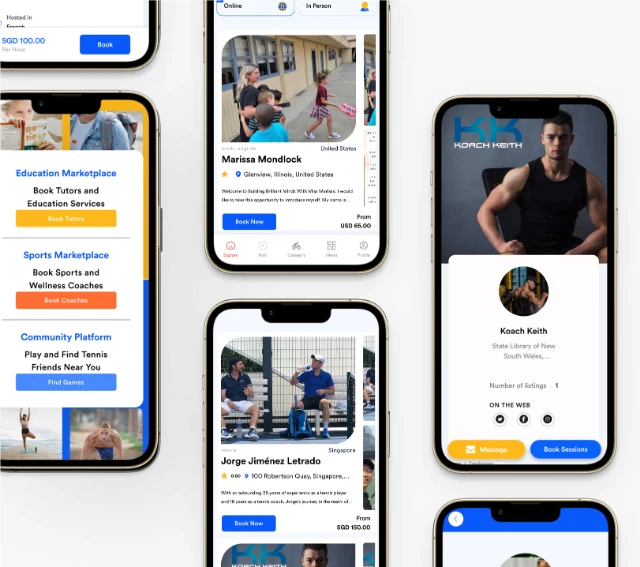
Booking platform for sports, wellness and tutoring
A booking platform where customers find verified sports, wellness and tutoring experts, see real-time availability and pay in one flow.
- React Native
- Node.js
- MongoDB
- Stripe
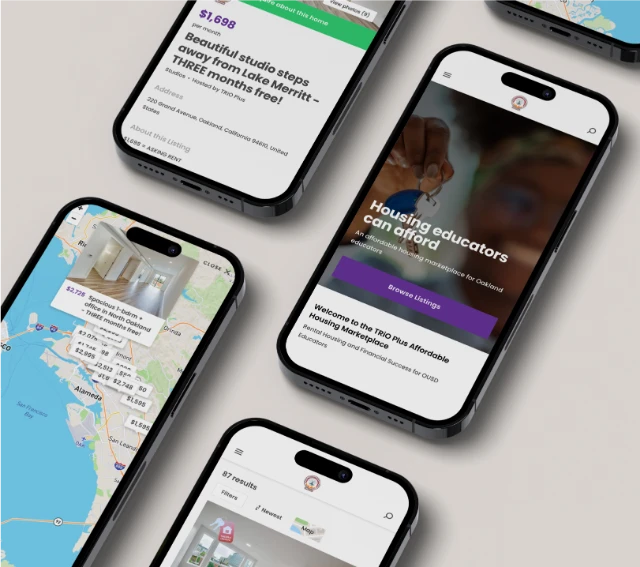
Housing platform for educators
Affordable housing discovery for teachers, with mapped inventory, eligibility screening and landlord onboarding.
- React
- Express
- PostgreSQL
- Mapbox
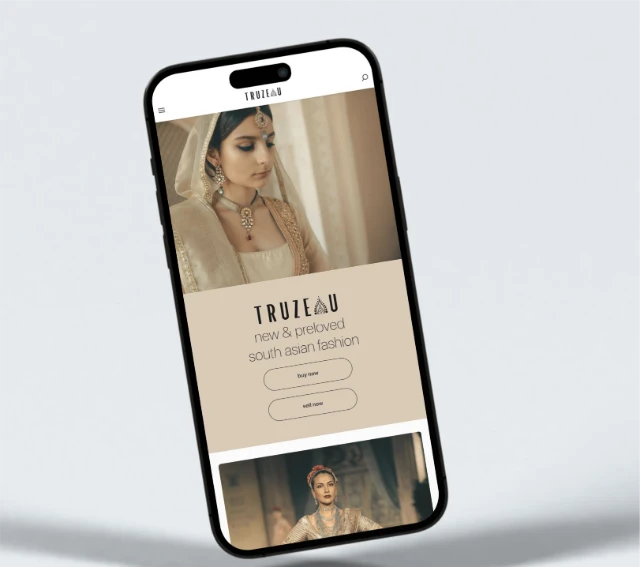
New & preloved fashion marketplace
Seller onboarding, condition grading and an editorial storefront tuned for mobile-first browsing.
- React
- Node.js
- Stripe
- AWS
Questions we get asked
React Native or fully native?
React Native when the product is largely shared logic and screens, which covers most apps and roughly halves the build and the ongoing maintenance. Fully native when the app lives or dies on platform capability — heavy camera or audio processing, tight hardware integration, sustained high-frame-rate graphics. Plenty of apps are React Native with one or two native modules, and that is a fine answer.
How do store submissions and updates work?
We set up signing, build pipelines and staged rollouts, prepare the store listings and privacy declarations, and run the first submissions with you. After that a release is a pipeline run plus review time, and the rollout can be paused if crash reporting shows a problem.
Do we need an app at all, or would a web app do?
A responsive web app is cheaper to build and to change, and it is the right answer unless you need something the browser cannot give you: reliable push, offline use, background work, hardware access, or presence in the stores where your users look. We would rather have that conversation before the build than after it.
Can you take over an existing app?
Yes. The first step is an assessment — dependency and platform versions, what is tested, what is undocumented, what the release process assumes — because mobile punishes neglect quickly when operating systems move each year.