
Product management
Sometimes the blocker is not engineering capacity but the absence of anyone whose job is deciding what to build next, and defending the decision when a louder request arrives.
What you get
Discovery that can change the plan
Talking to users and watching what they do today, early enough that the findings can still alter the roadmap rather than justify it.
A roadmap short enough to be honest
The next thing, the thing after it, and the reason both are ahead of everything else — instead of a twelve-month list nobody believes.
Decisions written down
Trade-offs made explicit as they happen, so a stakeholder can disagree with a decision rather than be surprised by its consequences.
How we approach it
The work starts with discovery that can change the plan: talking to the people who will use the thing, watching what they do today, and writing down what success would actually look like in numbers. Then a roadmap short enough to be honest — the next thing, the thing after it, and the reasons both are ahead of everything else. Shipped features nobody uses are more expensive than features never built, so the point of prioritisation is to find that out early.
Day to day it is unglamorous: keeping scope legible, making trade-offs explicit rather than discovering them at the end, and writing enough down that a stakeholder can disagree with a decision instead of being surprised by it. We do this embedded in your team, and the aim is to leave a way of working behind rather than a dependency on us.
Problems this solves
Everything is priority one
When every request is urgent, sequencing happens by whoever asked most recently, and the team is busy without moving anything forward.
Shipped and unused
Features built without evidence of demand are more expensive than features never built, because they also have to be maintained.
Scope discovered at the end
Work that looked small grows during delivery when the edge cases were never written down, and the deadline absorbs the difference.
How we work

Ideate
We collaborate with clients to define goals, explore ideas, and create a clear plan for a successful software solution.

Develop
Our team builds robust, scalable applications using modern technologies and best development practices.

Maintain
We provide ongoing support, updates, and optimizations to ensure your software remains reliable and efficient.

Scale
We help your solution grow with your business by enhancing performance, adding features, and supporting larger user bases.
What this includes
Products we designed, built, and still run.
Our portfolio showcases projects delivered with expert craftsmanship and exceptional quality.
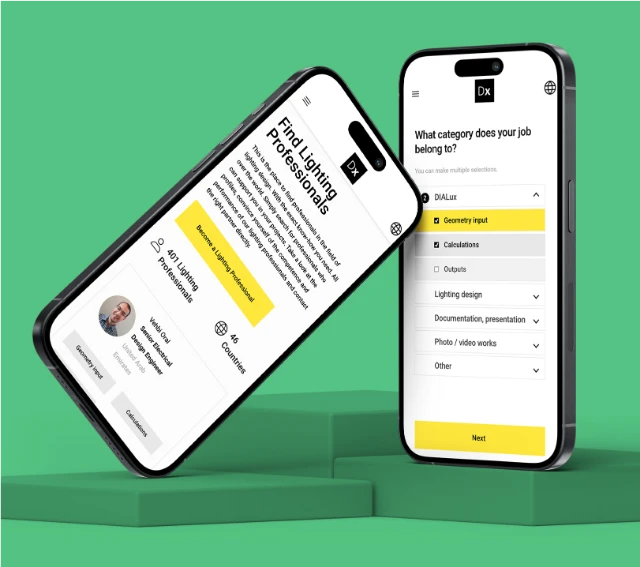
Marketplace for lighting design experts
A two-sided marketplace connecting specifiers with certified lighting professionals worldwide — verified profiles, project briefs and direct contracting, with payouts handled end to end.
- React
- Node.js
- Stripe Connect
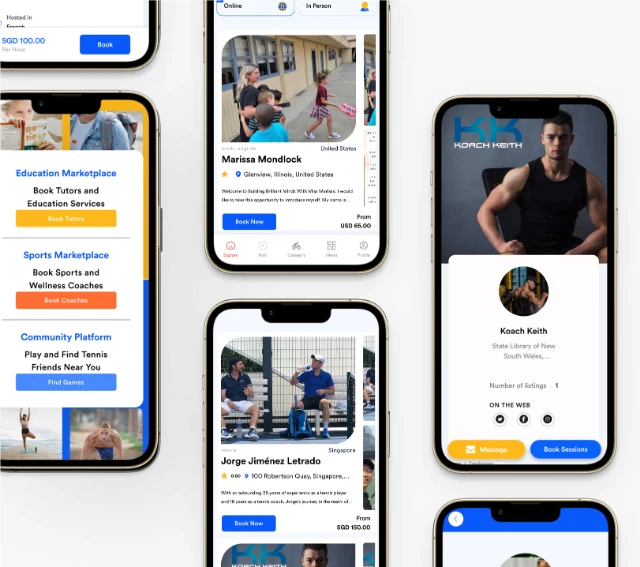
Booking platform for sports, wellness and tutoring
A booking platform where customers find verified sports, wellness and tutoring experts, see real-time availability and pay in one flow.
- React Native
- Node.js
- MongoDB
- Stripe
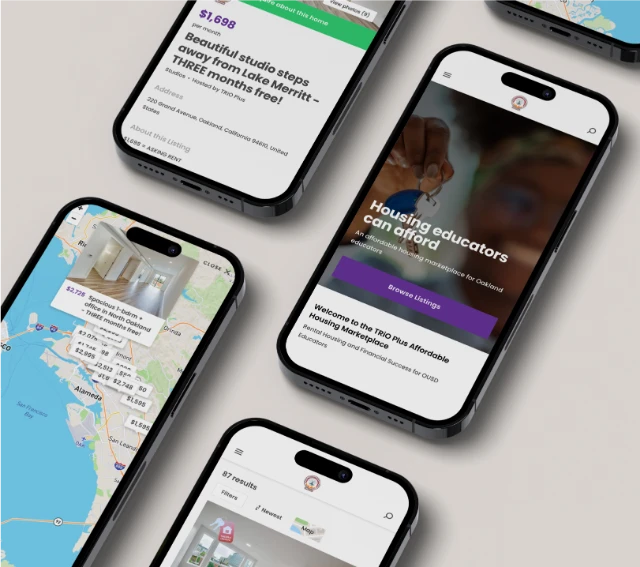
Housing platform for educators
Affordable housing discovery for teachers, with mapped inventory, eligibility screening and landlord onboarding.
- React
- Express
- PostgreSQL
- Mapbox
Questions we get asked
What does an embedded product manager actually do?
Decides what gets built next and defends the decision: running discovery, writing down what success looks like in numbers, keeping scope legible, and making sure engineers are never guessing what a thing is for. Day to day it looks like conversations, written decisions and a short roadmap — not a Gantt chart.
How do you prioritise between competing requests?
Against a stated goal, with the cost of each option made visible. Most disagreements about priority turn out to be disagreements about the goal, which is why the first job is usually writing the goal down. Where evidence is thin, we prefer the cheapest experiment that would change our mind over a longer argument.
How is success measured?
By a number agreed before the work starts — activation, retention, conversion, time saved — and by whether we can attribute movement to the change. If nobody can name the number a feature is meant to move, that is the finding, and it is better found before the build.
How long is an engagement, and what are we left with?
It varies with the gap being filled: a few weeks of discovery to unblock a decision, or an ongoing part-time product owner alongside your team. Either way the aim is to leave a way of working behind — a written goal, a prioritisation anyone can apply, a roadmap your team maintains — rather than a dependency on us.