
Quality assurance and testing
We build the testing a product needs to be changed safely: enough automated coverage to make a release boring, and enough human exploration to find what a script never would.
What you get
Tests that fail when the product breaks
Coverage aimed at real risk — payments, permissions, migrations — rather than at a percentage that looks good in a report.
Exploratory testing by people
Someone using the product as a person does, on a real device, finding the broken back button and the error message that explains nothing.
Wired into the pipeline
Running on every merge, fast enough that nobody is tempted to skip it, with failures that point at a cause rather than a screenshot.
How we approach it
Coverage percentages are a poor goal, so we do not chase them. What matters is whether the tests fail when the product breaks, which means putting them where the risk actually is — the checkout, the permissions, the data migration — and running them on every merge rather than in a phase before a launch. A suite nobody trusts gets skipped, and a suite that takes an hour gets skipped too, so speed and reliability are part of the work.
Alongside that, deliberate manual testing. Someone using the product as a person does, on a real device, finds the broken back button, the form that loses a long answer and the error message that explains nothing — none of which a passing assertion will ever tell you about. Both halves report into the same place, so a release decision is made on evidence rather than on nerve.
Problems this solves
A suite nobody trusts
Flaky tests get ignored, then disabled, then deleted. A suite that cries wolf is worse than none because it costs attention and buys nothing.
Regressions reported by customers
When the first signal that something broke is a support ticket, the cost is not the bug — it is the confidence that took months to build.
Releases that need courage
If shipping on a Friday is unthinkable, the problem is not the day. It is that nothing can tell you whether this release is safe.
How we work

Ideate
We collaborate with clients to define goals, explore ideas, and create a clear plan for a successful software solution.

Develop
Our team builds robust, scalable applications using modern technologies and best development practices.

Maintain
We provide ongoing support, updates, and optimizations to ensure your software remains reliable and efficient.

Scale
We help your solution grow with your business by enhancing performance, adding features, and supporting larger user bases.
What this includes
Products we designed, built, and still run.
Our portfolio showcases projects delivered with expert craftsmanship and exceptional quality.
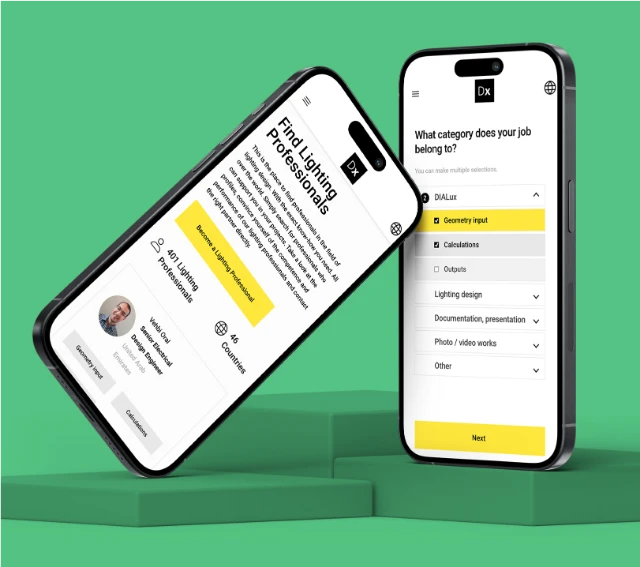
Marketplace for lighting design experts
A two-sided marketplace connecting specifiers with certified lighting professionals worldwide — verified profiles, project briefs and direct contracting, with payouts handled end to end.
- React
- Node.js
- Stripe Connect
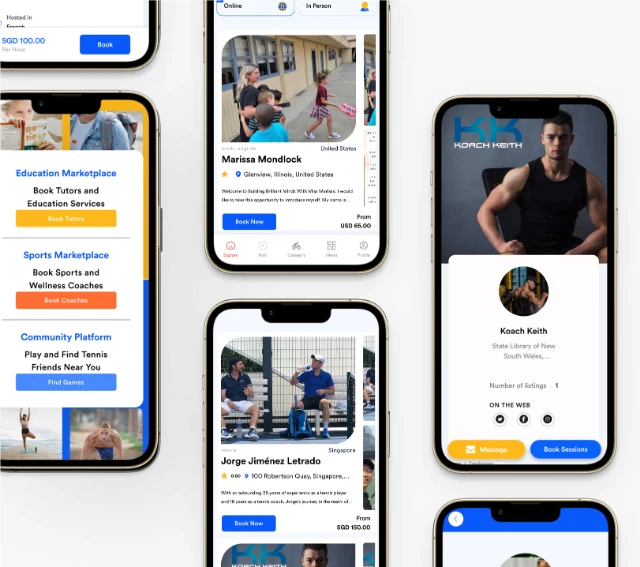
Booking platform for sports, wellness and tutoring
A booking platform where customers find verified sports, wellness and tutoring experts, see real-time availability and pay in one flow.
- React Native
- Node.js
- MongoDB
- Stripe
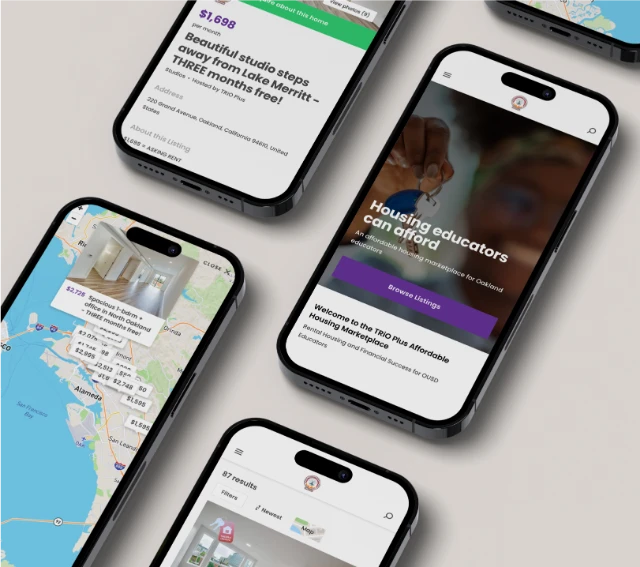
Housing platform for educators
Affordable housing discovery for teachers, with mapped inventory, eligibility screening and landlord onboarding.
- React
- Express
- PostgreSQL
- Mapbox
Questions we get asked
What do you automate first?
The paths where failure is expensive and the behaviour is stable: signup and login, checkout and payment, permissions, and anything touching money or personal data. Then the regressions you have actually had, because a bug that happened once tends to happen again. Fast unit and integration tests carry most of this; end-to-end tests cover the few journeys that must never break.
What coverage percentage should we aim for?
None in particular. Coverage measures which lines ran, not whether anything was verified, and chasing a number produces tests that assert nothing. The useful question is whether the suite fails when the product misbehaves — which we check by deliberately breaking things and seeing what goes red.
Do we still need manual testing?
Yes, but less of it and better aimed. Automation is for the things you want checked identically every time; people are for the things a script cannot notice — confusing copy, a layout that collapses on a real phone, a flow that technically works and makes no sense. Removing manual testing entirely tends to trade found bugs for unfound ones.
Can you test on real devices and browsers?
Yes — real iOS and Android hardware for the cases that matter, plus a device cloud for breadth, and the browsers your analytics say your users actually have rather than a list copied from somewhere else.