
Software maintenance and support
Most software spends far longer being maintained than being built, and that is usually the part nobody planned for. We take on systems already in production, including ones we did not write.
What you get
Updates before they become migrations
Security patches and dependency upgrades applied steadily, so you are never two major versions behind and facing a project instead of a chore.
Fixes at the cause
Bugs traced to why they happened, with a test that keeps them fixed, rather than patched at the symptom and met again next quarter.
Monitoring that notices first
Errors and outages surfaced by alerting rather than by a customer, with enough context to diagnose without reproducing by hand.
How we approach it
That means the things that quietly decide whether a product is still viable in three years: dependency and security updates applied before they become a forced migration, bugs fixed at the cause rather than patched at the symptom, monitoring that notices a failure before a customer reports it, and a deployment the current team can actually run. Deferred maintenance is a debt with compounding interest — a framework two major versions behind is not a chore, it is a project.
Taking over unfamiliar code starts with reading it and writing down what we find: what the system does, where the risks are, what is undocumented, and what would happen if the one person who understands it left. That assessment is useful on its own, and it is the honest basis for deciding whether to maintain, refactor or replace — a decision we would rather you make with evidence than with optimism.
Problems this solves
Two major versions behind
Deferred upgrades compound. What would have been an afternoon each quarter becomes a migration that competes with a roadmap.
A bus factor of one
When a single person understands the system and nothing is written down, every change waits on their availability and their memory.
No idea whether it is healthy
Without monitoring, an outage lasts as long as it takes a customer to complain, and recurring errors stay invisible indefinitely.
How we work

Ideate
We collaborate with clients to define goals, explore ideas, and create a clear plan for a successful software solution.

Develop
Our team builds robust, scalable applications using modern technologies and best development practices.

Maintain
We provide ongoing support, updates, and optimizations to ensure your software remains reliable and efficient.

Scale
We help your solution grow with your business by enhancing performance, adding features, and supporting larger user bases.
What this includes
Products we designed, built, and still run.
Our portfolio showcases projects delivered with expert craftsmanship and exceptional quality.

New & preloved fashion marketplace
Seller onboarding, condition grading and an editorial storefront tuned for mobile-first browsing.
- React
- Node.js
- Stripe
- AWS

Childcare discovery and booking
Helps families find and book the right daycare, with licence verification, availability and enquiry management for providers.
- React
- Node.js
- MongoDB
- Twilio
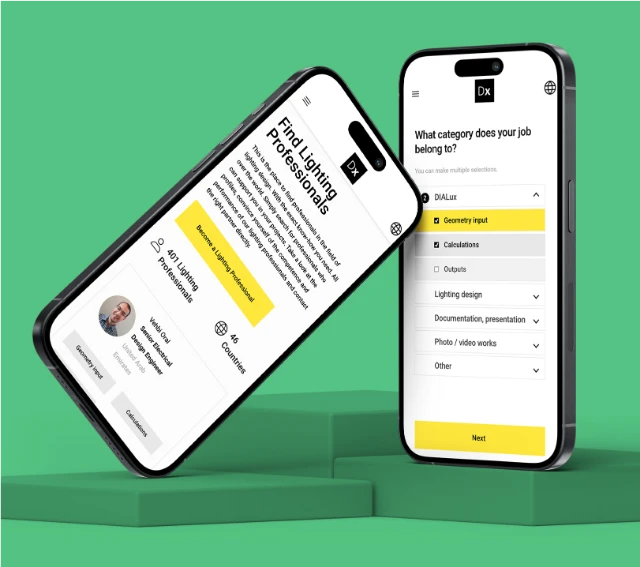
Marketplace for lighting design experts
A two-sided marketplace connecting specifiers with certified lighting professionals worldwide — verified profiles, project briefs and direct contracting, with payouts handled end to end.
- React
- Node.js
- Stripe Connect
Questions we get asked
Can you take over a system you did not build?
Yes, and that is most of this work. It starts with reading the code and writing down what we find: what the system does, how it is deployed, where the risks are, what is untested and what is undocumented. That assessment is useful on its own, whoever maintains the system afterwards.
What does the initial assessment cover?
Dependency and runtime versions against their support dates, known vulnerabilities, test coverage where it matters, how a release is made, what monitoring exists, where the data lives and how it is backed up, and the single points of failure — including the human ones. You get a written summary with risks ordered by what they would cost.
How is maintenance work arranged?
Usually as a recurring block of time per month covering updates, fixes and small improvements, with anything larger quoted separately so a roadmap item never quietly consumes the maintenance budget. We would rather agree what is in and out of scope up front than discover it during an incident.
Should we maintain this or rewrite it?
Maintain, far more often than people expect. A rewrite restarts the clock on every bug the current system has already found, and it competes with the roadmap for a year. The honest cases for rewriting are a platform that is genuinely unsupported, or a core model so wrong that every change fights it — and that is a judgement we would rather make after the assessment than before.